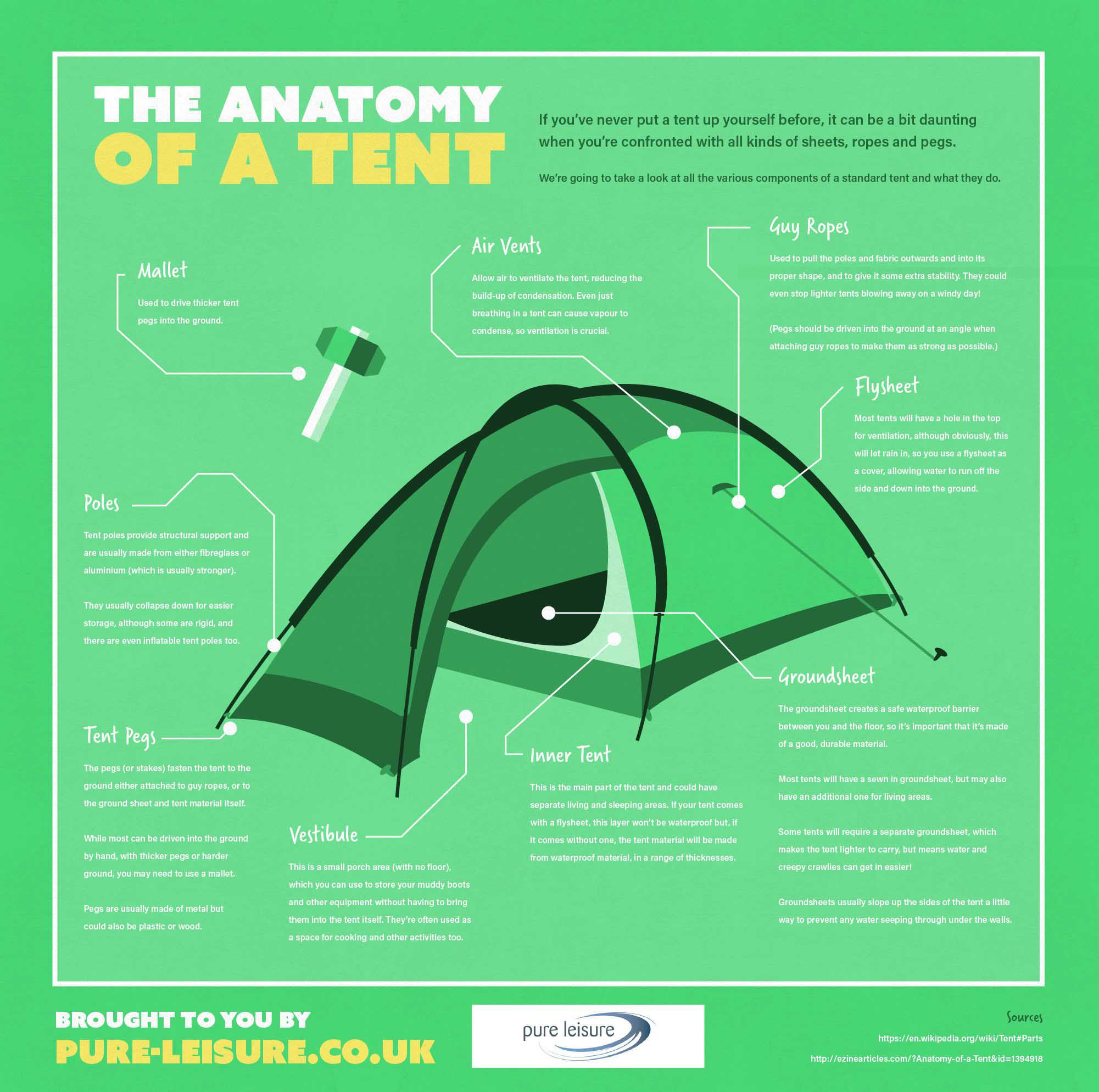
Outdoors tents with premium fabrics and added treatments are made to stand up against a wide range of climate condition. However long term moisture exposure can slowly wear down these products.
Rain can saturate material, pressure seams and add-on points, and urge mold or mold if camping tents aren't entirely dried. Windy problems can also put anxiety on outdoor tents poles, creating them to bend or tear along their add-on points.
Wind
Solid winds place pressure on outdoor tents surfaces and joints. Without proper toughness features, this stress can loosen up stitching, change poles, and even create a partial collapse. A well-designed camping tent can mitigate these impacts by including aerodynamic functions that disperse wind instead of absorbing it. Calculated site positioning is additionally essential to lower outside stress. Select areas with elevation and natural wind defense to boost airflow, while preventing low-lying locations or spots near drain courses that might flood during tornados.
Outdoors tents can also be secured with attachments like insulated sidewalls, increased floor covering, and added anchoring systems. These simple upgrades can assist make sure that your occasion continues efficiently no matter uncertain weather modifications. For occasions in areas vulnerable to frequent weather condition changes, a state-of-the-art sailcloth tent with enhanced finishings and enhanced joints provides the most resilient weather condition resistance.
Rainfall
Rainfall ruined tents, impacting whatever from material stamina to architectural honesty. Hefty rainfall can cause sagging and mold, especially when the camping tent isn't appropriately dried out. Pooling water can stress joints, post links, and attachment points. This can weaken the structure, causing tearing and even collapse.
Extended exposure to UV rays break down safety finishes and break down chemical bonds, lowering textile toughness. This is specifically real of water-proof textiles, which shed their water-proof ranking with time.
Outdoors tents require to be cleansed consistently to stop accumulation of dirt, oils, and mildew, which can penetrate the fabric and weaken seam seals. A durable water repellent (DWR) treatment aids recover layers and protect against waterproofing loss. DWR therapies need to be reapplied after every usage. Storage space is likewise vital- camping tents ought to be thoroughly cleaned and dried out prior to tent footprint keeping, or they can establish mildew and mold. Normal examinations are additionally crucial, enabling you to catch problems prior to they turn into significant concerns.
Sunlight
An outdoor tents's safety finishings are prone to UV rays, which break down the chemical bonds that make textiles waterproof. This causes damage of the textile's fibers and reduced strength. If not dealt with, this destruction might likewise cause fading or the development of mold or mildew.
For a resilient, waterproof outdoor tents, purchase a quality ground cloth and rainfly. A custom-made impact can protect the flooring of your camping tent from abrasion and doesn't gather water like generic ground cloths or tarpaulins. Prevent letting your outdoor tents and rainfly established in direct sunshine for prolonged durations.
Reapply a water resistant spray periodically to reinforce the resistance of your camping tent to dampness. Make sure to choose a therapy that's specifically developed for natural canvas and the problems in your area. Likewise, remember to dry your camping tent completely prior to stuff-sacking it for storage to avoid condensation and mold.
Temperature level
An outdoor tents's shape and insulation alternatives influence its capacity to endure numerous weather conditions. As an example, dome-shaped tents much better disperse wind and can endure greater gusts than A-frame tents. Similarly, top quality insulation stops heat loss while likewise giving comfort in temperature level extremes.
Rain that collects on an outdoor tents's surface puts pressure on seams, stress points, and attachment locations. This anxiety can deteriorate these points and lead to architectural problems like sagging or tearing over time.
Regularly reapplying water-proof therapies helps keep an outdoor tents's sturdiness. Follow the therapy's guidelines and apply it evenly throughout the material. Pay special focus to high-stress areas, such as zippers and door flaps. After that, enable the camping tent to completely dry totally in a shaded, well-ventilated area prior to keeping it. Doing this helps make certain a water resistant outdoor tents and reduces the danger of mold and mildew, mold, and other harmful fungis.